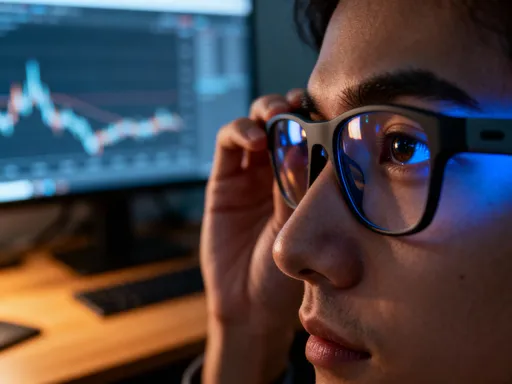
What If Your Eyes Could Last Forever? I’m Trying This
We all take our eyes for granted—until something goes wrong. In a world of screens, glare, and endless scrolling, eye strain is the new normal. Yet few of us truly maintain our vision with simple, daily habits. I’ve been there: blurry focus, dry eyes, headaches by noon. But after small, science-backed changes, I noticed real improvement. This isn’t about fixing problems—it’s about protecting what works before it breaks. The truth is, your eyes weren’t built for eight-hour screen marathons or late-night phone scrolling. They evolved to scan horizons, track movement, and rest in natural light. Today, we ask them to do more than ever, without giving them the care they need. The good news? You don’t need expensive treatments or drastic overhauls. Just a few mindful adjustments can make a lasting difference.
The Hidden Crisis of Modern Eye Health
In the past two decades, the way we use our eyes has changed more than in the previous two centuries. Once focused on reading books, tending gardens, or engaging in face-to-face conversation, our vision now spends hours locked onto glowing rectangles—phones, tablets, laptops, and televisions. This shift hasn’t just altered how we see the world; it’s reshaping the health of our eyes in ways many don’t realize. Eye strain, once considered a temporary discomfort after long reading sessions, has become a chronic condition for millions. According to the American Optometric Association, over 80% of adults who use digital devices for more than two hours a day report symptoms of digital eye strain, including dryness, blurred vision, and fatigue.
What makes this crisis so insidious is its invisibility. Unlike a sprained ankle or a sore throat, eye strain doesn’t always announce itself with sharp pain. Instead, it creeps in—subtle headaches by mid-afternoon, a need to squint at text that used to be clear, or the habit of rubbing your eyes without thinking. These are not normal signs of aging or hard work. They are signals that your visual system is under constant stress. The root cause? Blue light exposure and reduced blinking, two byproducts of screen dependency. Blue light, which has a shorter wavelength and higher energy than other visible light, scatters more easily in the eye, making it harder to focus. This forces the eyes to work harder, increasing fatigue over time.
Equally concerning is the dramatic drop in blink rate during screen use. Under normal conditions, people blink about 15 to 20 times per minute, a natural process that keeps the eye surface moist and clear. But studies show that during screen use, blink rates can drop to as low as 5 to 7 times per minute. This reduction means less lubrication, more evaporation of the tear film, and a higher risk of dry eye syndrome. The consequences are more than discomfort—they can lead to long-term surface damage if left unaddressed. Children are not immune either; with increased screen time for learning and entertainment, pediatric eye doctors are seeing younger patients with symptoms once reserved for middle-aged office workers.
Why Your Eyes Aren’t Just “Tired”—They’re Overworked
When we say our eyes are tired, we often mean we feel mentally drained or in need of rest. But eye fatigue is more than just a feeling—it’s a physical response to overuse. Unlike other muscles in the body, the eyes don’t get a full break when we close them at night. Even during sleep, the brain continues to process visual stimuli from dreams, and the ocular muscles remain active. During waking hours, especially in front of screens, the ciliary muscle—the small muscle inside the eye that controls the shape of the lens—works nonstop to maintain focus on nearby objects. This constant contraction is like holding your hand in a fist for hours; eventually, it aches.
Over time, this sustained effort can lead to a condition known as accommodative spasm or pseudo-myopia, where the eye temporarily loses its ability to focus on distant objects. While it may resolve with rest, repeated episodes can contribute to the development of permanent nearsightedness, especially in children and young adults. Additionally, prolonged screen use often leads to poor posture—hunching forward, tilting the head down—which can cause tension in the neck, shoulders, and upper back. This physical strain is frequently linked to eye discomfort, creating a cycle where physical and visual fatigue feed into each other.
The key to breaking this cycle is understanding that eye health is not passive. Just as you wouldn’t expect a car to run smoothly without regular maintenance, you can’t expect your eyes to perform well without intentional care. The ciliary muscle, like any other muscle, benefits from rest, relaxation, and proper conditioning. Ignoring its signals doesn’t make them go away—it only delays the inevitable need for intervention. By reframing eye fatigue as a sign of overwork rather than mere tiredness, we shift from reactive fixes to proactive protection. This mindset is the foundation of long-term vision health.
The 20-20-20 Rule: Simple, But Actually Works
One of the most widely recommended strategies for reducing eye strain is also one of the simplest: the 20-20-20 rule. Every 20 minutes, look at something 20 feet away for at least 20 seconds. This practice, endorsed by ophthalmologists and optometrists worldwide, is not a trendy wellness hack—it’s a scientifically grounded method for giving your eyes a much-needed break. The principle is straightforward: when you focus on a distant object, the ciliary muscle relaxes, allowing the lens to return to a more neutral shape. This brief pause reduces tension, resets focus, and improves blood flow to the ocular tissues.
I decided to test the 20-20-20 rule for two full weeks, integrating it into my daily work routine. I set a timer on my phone to go off every 20 minutes, and each time, I stood up, walked to the window, and looked out at the trees across the street. At first, it felt like an interruption—an unnecessary pause in my productivity. But within a few days, I began to notice subtle changes. My afternoon headaches, which used to start around 2 p.m., became less frequent. My eyes felt less dry, especially in the hours after lunch when screen glare seemed most intense. By the end of the second week, I found myself looking forward to those 20-second breaks. They became a form of micro-meditation, a moment to breathe and reset.
What makes the 20-20-20 rule so effective is its accessibility. It requires no special equipment, no expensive apps, and no major lifestyle changes. It’s a habit anyone can adopt, whether working from home, studying, or watching television. For parents, it’s an easy practice to teach children during homework or screen time. The key is consistency. Like brushing your teeth or drinking water, it’s not about doing it perfectly every time—it’s about doing it often enough to make a difference. Over time, this small act accumulates, reducing the daily toll on your eyes and preserving their function for the long term.
Lighting Matters More Than You Think
Many people overlook the role of lighting in eye health, assuming that as long as they can see their screen, the conditions are fine. But the quality of light in your environment plays a critical role in how hard your eyes have to work. Poor lighting—whether too dim, too bright, or uneven—forces your pupils to constantly adjust, increasing strain on the visual system. Glare from windows or overhead lights reflecting off a screen creates high-contrast zones that make it difficult for the eyes to focus, leading to squinting, fatigue, and discomfort.
I used to work at a desk with a large window to my left, and by mid-morning, the sun would create a harsh glare across my laptop screen. I didn’t think much of it until I started experiencing frequent eye irritation and had to adjust my screen brightness repeatedly throughout the day. After reading about the impact of lighting, I repositioned my desk so the window was behind me and added a warm LED desk lamp with adjustable brightness. I also installed an anti-glare screen filter. The difference was immediate. My eyes felt less strained, and I no longer needed to squint or lean forward to see clearly.
Optimal lighting is about balance. Ambient light should be soft and evenly distributed, avoiding direct overhead bulbs that create shadows. Task lighting, like a desk lamp, should illuminate your workspace without shining directly into your eyes or reflecting off your screen. Warm white light (between 2700K and 3000K) is generally easier on the eyes than cool blue-toned light, especially in the evening. Additionally, aligning your screen brightness with the surrounding light level helps reduce contrast stress. Most modern devices have adaptive brightness settings that adjust automatically, but manually fine-tuning them can make an even greater difference. By creating a visually comfortable environment, you reduce the workload on your eyes and support sustained focus without fatigue.
Nutrition: The Quiet Support System for Vision
While we often focus on external habits like screen time and lighting, what we eat plays a foundational role in eye health. The eyes are metabolically active organs that require a steady supply of specific nutrients to function properly. Lutein and zeaxanthin, two carotenoids found in high concentrations in the macula—the central part of the retina—act as natural filters for harmful blue light and protect against oxidative damage. Omega-3 fatty acids, particularly DHA, are essential components of retinal cell membranes and help maintain proper tear production, reducing the risk of dry eye. Vitamin A is crucial for night vision and the health of the cornea, while vitamin C and E provide antioxidant protection.
These nutrients are not found in processed snacks or sugary drinks—they’re in whole, colorful foods. Spinach, kale, and other leafy greens are rich in lutein and zeaxanthin. Eggs, especially the yolks, contain both of these compounds along with zinc, which supports retinal function. Fatty fish like salmon, mackerel, and sardines are excellent sources of omega-3s. Carrots, sweet potatoes, and red bell peppers provide beta-carotene, which the body converts into vitamin A. Nuts and seeds, particularly walnuts and flaxseeds, offer plant-based omega-3s and vitamin E.
I began making small dietary changes, starting with adding a handful of spinach to my morning smoothie and including grilled salmon in my weekly meal plan. I swapped afternoon chips for a small handful of walnuts and made sure to eat orange vegetables several times a week. After about six weeks, I noticed my eyes felt less gritty, especially in dry office environments with air conditioning. While nutrition alone won’t reverse existing eye conditions, it provides a strong foundation for long-term resilience. Think of it as internal sunscreen for your eyes—quiet, consistent protection that works behind the scenes.
Blinking Is a Superpower (And We’re Not Using It)
Of all the automatic bodily functions, blinking may be the most underrated. It happens without thought, dozens of times a minute, keeping the surface of the eye moist, clear, and protected. Each blink spreads a thin layer of tears across the cornea, washing away dust and debris while maintaining a smooth optical surface for clear vision. But in the age of screens, we’ve unknowingly trained ourselves to blink less—and less completely. Instead of full blinks that fully cover the eye, many people engage in “partial blinks,” which fail to refresh the tear film adequately.
Research shows that during screen use, blink rate drops significantly, sometimes to less than half the normal rate. This reduction leads to faster tear evaporation, dry spots on the cornea, and a sensation of grittiness or burning. Over time, this can contribute to chronic dry eye disease, a condition that affects millions and can impair vision if untreated. The good news is that blinking is a habit you can retrain. I started practicing what experts call “conscious blinking”—pausing every hour to close my eyes fully for two seconds, then reopening them slowly. At first, it felt awkward, even unnecessary. But within a few days, I noticed my eyes stayed more comfortable throughout the day.
Some eye care professionals recommend the “20-20-20-20” variation: every 20 minutes, look 20 feet away for 20 seconds—and during that time, blink 20 times slowly and deliberately. This combines two powerful strategies into one routine. It’s a small act, but its impact is disproportionate. Just as oil keeps a machine running smoothly, blinking keeps your eyes functioning optimally. And unlike many health interventions, it’s free, immediate, and available to everyone. By restoring this natural rhythm, you give your eyes the lubrication they need to thrive in a screen-dominated world.
When to See a Professional—And Why It’s Not Just About Glasses
Many people wait until their vision blurs or their headaches become unbearable before scheduling an eye exam. But regular checkups are not just about updating prescriptions for glasses or contacts—they are a critical part of preventive health care. Comprehensive eye exams can detect early signs of serious conditions like glaucoma, age-related macular degeneration, diabetic retinopathy, and even high blood pressure. These diseases often have no symptoms in their early stages, making them silent threats to long-term vision.
I used to skip eye appointments because I could still read the menu and see the road clearly. But during a routine exam five years ago, my optometrist noticed slightly elevated intraocular pressure—a potential early sign of glaucoma. I felt no pain, no vision changes, nothing. But catching it early allowed me to make lifestyle adjustments, including reducing caffeine, improving sleep, and increasing aerobic exercise, all of which can help regulate eye pressure. My doctor also recommended regular monitoring, and so far, my levels have remained stable. That experience changed my view of eye care. It’s not just about seeing better today—it’s about protecting your vision for tomorrow.
Experts recommend a comprehensive eye exam every one to two years for adults, more frequently if you have risk factors like diabetes, high blood pressure, or a family history of eye disease. For children, early exams are crucial for detecting vision problems that can affect learning and development. During these visits, eye care professionals don’t just test acuity—they examine the health of the retina, optic nerve, and blood vessels, providing a window into your overall health. By making eye exams a regular part of your wellness routine, you take a proactive step toward preserving one of your most precious senses.
Treat Your Eyes Like You Mean It
Vision is both fragile and resilient. It can be damaged by neglect, yet strengthened by consistent care. The habits that protect your eyes don’t require grand gestures or expensive solutions. They are simple, repeatable actions—blinking fully, looking away from screens, eating nutrient-rich foods, optimizing lighting, and seeing a professional regularly. These are not fixes for broken vision; they are investments in lasting clarity. The goal is not perfection, but persistence. Small efforts, practiced daily, compound over time, creating a buffer against the wear and tear of modern life.
Think of your eyes as a lifelong companion. You rely on them to read bedtime stories, recognize loved ones, enjoy sunsets, and navigate the world. They deserve more than occasional attention—they deserve daily respect. By treating your eyes with intention, you honor the gift of sight and increase the odds of keeping it sharp for decades to come. Because the true measure of eye health isn’t how well you see today, but how well you’ll see in 10, 20, or 50 years. Start now. Your future self will thank you.