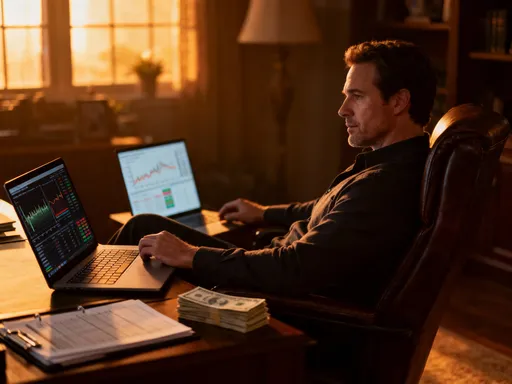
How I Learned to Invest Smart in Retirement — A Real Talk on Market Moves
Let me tell you something I wish I’d known earlier: retirement isn’t just about saving — it’s about staying sharp, especially with money. I jumped into investing later in life, thinking it was too late, but with some solid market analysis and a few hard-earned lessons, I found a path that actually works. It’s not magic — just smart, grounded moves that protect your nest egg while letting it grow. This is my story, and maybe, it can be yours too.
The Wake-Up Call: Why I Realized I Needed to Act
When I retired, I believed my financial responsibilities were behind me. I had saved diligently for decades, lived within my means, and built what I thought was a comfortable cushion. I imagined my golden years would be peaceful, with bills paid and stress behind me. But peace didn’t last. Within a few years, I began to notice something unsettling — my monthly expenses were rising faster than my fixed income. Groceries, utilities, and prescriptions all cost more. I wasn’t spending recklessly; the world around me was changing. Inflation, a word I’d heard but never truly understood, was quietly eating away at my purchasing power.
One winter, I reviewed my budget and realized I had already dipped 15% deeper into my savings than I’d planned. That moment was a wake-up call. I wasn’t just living off my savings — I was watching them shrink in real terms. My money wasn’t growing, but the cost of living was. I had assumed that once I stopped working, my financial journey was over. But the truth was the opposite: it was entering a new, more complex phase. Without a paycheck, every dollar I spent needed to work harder. I could no longer afford to be passive.
That realization shifted my mindset. I began to see that financial safety in retirement isn’t about hiding from risk — it’s about managing it wisely. Ignoring the market felt safe at first, but in reality, it was one of the riskiest choices I could make. Inflation doesn’t care about your age or your plans. It moves steadily, and if your money isn’t earning a return that keeps pace, you’re losing ground. I decided then that I needed to learn how to invest — not to get rich, but to protect what I had worked so hard to build.
Starting Late Doesn’t Mean Losing: My Approach to Senior Education
At first, the world of investing felt overwhelming. Words like “asset allocation,” “volatility,” and “market cycles” might as well have been in another language. I worried I was too old to learn something new. I had spent my career in education, teaching children how to read and write, but now I felt like a beginner again. The difference was, this time, the stakes felt personal. My financial security depended on understanding concepts I had never needed before.
But I reminded myself: learning doesn’t have an expiration date. I started small. I signed up for a free online course designed for beginners, offered by a reputable financial institution. It covered the basics — what stocks and bonds are, how compound interest works, and why diversification matters. The course didn’t promise quick riches; instead, it focused on building confidence through clarity. I took notes, rewound videos, and reread sections until the ideas clicked. I wasn’t trying to become a Wall Street expert — I just wanted to make informed decisions.
Outside of formal lessons, I joined online communities where retirees shared their experiences. These weren’t forums full of traders shouting about hot tips; they were thoughtful conversations among people like me — cautious, curious, and committed to long-term security. I learned that many others had started later in life and were making steady progress. One woman shared how she used dividend income to cover her utility bills. Another explained how shifting to low-cost index funds saved her thousands in fees. These real-life examples made abstract concepts feel tangible.
What helped most was focusing on understanding the *why* behind market movements. Instead of reacting to headlines, I learned to ask questions: Why did interest rates rise? How do consumer trends affect certain industries? This deeper understanding didn’t eliminate uncertainty — nothing can — but it replaced fear with curiosity. I realized that financial education isn’t about knowing everything; it’s about knowing enough to avoid costly mistakes. And for someone in retirement, avoiding mistakes is often more valuable than chasing big wins.
Reading the Market Like a Map: What I Look For Now
Early on, I thought market analysis was about predicting the future — guessing which stock would soar tomorrow or which sector would crash next. That kind of thinking led to anxiety and poor decisions. I’ve since learned that effective market analysis isn’t about prediction; it’s about pattern recognition. It’s like reading a map before a road trip. You don’t know every bump in the road, but you can see the major routes and avoid dead ends.
Now, I focus on long-term trends rather than daily fluctuations. I pay attention to broad economic signals — things like employment rates, consumer spending habits, and interest rate policies. These indicators don’t tell me exactly what will happen, but they help me understand the general direction of the economy. For example, when I see that people are spending more on healthcare and home services, I recognize that these sectors may be more resilient in uncertain times. That doesn’t mean I invest blindly, but it helps me identify areas worth researching further.
I also look closely at company fundamentals. Instead of chasing stocks with flashy headlines, I examine earnings reports, debt levels, and dividend histories. A company that has consistently grown its profits over ten years is more likely to remain stable than one riding a short-term trend. I’m not looking for the next tech unicorn; I’m looking for businesses that can weather storms. This approach has helped me avoid speculative traps and focus on sustainable growth.
Another key part of my analysis is understanding valuation. Just because a company is doing well doesn’t mean its stock is a good buy. If the price is too high relative to its earnings, it may be overvalued — a sign to wait. I use simple tools like the price-to-earnings (P/E) ratio to compare companies within the same industry. These metrics aren’t perfect, but they provide a baseline for making more rational decisions. Over time, this methodical approach has reduced my emotional reactions and helped me stay focused on long-term goals.
Building a Safety-First Portfolio: My Risk Control Strategy
In retirement, preserving capital is more important than chasing high returns. I learned this the hard way after briefly investing in a high-yield bond fund that promised strong monthly payouts. When interest rates shifted, the value of the fund dropped sharply, and I panicked — selling at a loss. That experience taught me a crucial lesson: the pursuit of higher returns often comes with hidden risks, and in retirement, those risks can be hard to recover from.
Since then, I’ve rebuilt my portfolio with safety as the top priority. I use a diversified mix of assets to spread risk. About 40% is in high-quality bonds, which provide steady income and tend to hold value when stock markets dip. Another 40% is in dividend-paying stocks from established companies in sectors like utilities, consumer staples, and healthcare — industries that people rely on regardless of economic conditions. The remaining 20% is in low-cost index funds that track the broader market, giving me exposure to growth without the risk of picking individual winners.
Diversification isn’t just a financial buzzword — it’s practical protection. When one part of the market struggles, another may hold steady or even rise. For example, during a recent period of stock market volatility, my bond holdings helped offset losses in equities. This balance doesn’t eliminate risk, but it reduces the impact of any single downturn. I also maintain a cash reserve equivalent to one year of living expenses. This buffer means I never have to sell investments during a market dip to cover bills — a simple rule that has saved me from making emotional decisions.
I review and adjust my portfolio a few times a year, not in response to headlines, but based on changes in my needs and the economic environment. If interest rates rise, I might shift more into bonds. If healthcare costs continue to climb, I may increase exposure to medical-related stocks. These adjustments are gradual and deliberate, not reactive. The goal isn’t to time the market — that’s nearly impossible — but to stay aligned with my risk tolerance and long-term objectives. This disciplined approach has given me peace of mind, knowing that my financial foundation is built to last.
Turning Knowledge into Action: My Step-by-Step Investment Routine
Knowledge is valuable, but only if it leads to consistent action. After learning the basics, I struggled with how to apply them in real life. I didn’t want to become obsessed with the market, but I also didn’t want to ignore it. The solution was creating a simple, sustainable routine that keeps me engaged without causing stress.
Every Sunday morning, I spend 30 minutes reviewing the financial landscape. I check a few trusted sources — a major financial newspaper, a government economic report, and my brokerage account. I don’t read every article or track every stock price. Instead, I focus on major developments: Did the Federal Reserve change interest rates? Was there a significant shift in employment data? How did the overall market perform last week? These updates help me stay informed without getting overwhelmed.
Next, I review my portfolio. I look at each holding and ask myself: Does this still align with my goals? Has the company’s financial health changed? Is the valuation still reasonable? I’m not looking to make quick trades — I’m doing a health check. If I notice an investment that no longer fits, I make a note to research alternatives, but I don’t act immediately. I wait a week, sleep on it, and consult my long-term plan before making any changes.
Twice a year, I rebalance my portfolio. This means adjusting my asset mix to bring it back in line with my target allocation. For example, if stocks have performed well and now make up 55% of my portfolio instead of 40%, I’ll sell some shares and reinvest in bonds to restore balance. This practice locks in gains from high-performing assets and buys more of the underperforming ones — a strategy that supports long-term growth while managing risk. I also set calendar alerts for key economic reports, like inflation data and GDP releases, so I’m never caught off guard.
This routine has transformed my relationship with investing. It’s no longer a source of anxiety but a regular part of my life, like checking the weather before a walk. The consistency builds confidence. I’ve avoided panic selling during downturns because I know my plan is designed to handle volatility. I don’t react to every headline, but I don’t ignore them either. This balanced approach has helped me stay on track, even when the market feels uncertain.
The Hidden Gains: How Smarter Investing Saves Money
When most people think of investing, they focus on returns — how much money they can make. But I’ve learned that one of the biggest benefits of smart investing isn’t about earning more; it’s about keeping more. Hidden costs, if left unchecked, can silently erode your wealth over time. I didn’t realize this at first. I was paying high management fees, trading too frequently, and overlooking tax implications — all of which reduced my net gains.
One of the first changes I made was switching to low-cost index funds. My old mutual funds charged annual fees of over 1%, which may sound small, but over 20 years, that adds up to tens of thousands of dollars in lost returns. By moving to funds with expense ratios below 0.2%, I kept more of my money working for me. It wasn’t a flashy move, but it had a powerful impact. I also reduced my trading activity. Every time you buy or sell, there’s a cost — a commission or spread — and frequent trading can eat into profits. Now, I only make changes when necessary, not on impulse.
Tax efficiency became another priority. I learned that holding an investment for more than a year qualifies for lower long-term capital gains rates. So instead of selling after a quick rise, I wait, allowing my investments to grow while minimizing tax liability. I also use tax-advantaged accounts like IRAs wisely, making strategic withdrawals to stay in a lower tax bracket. These aren’t complex strategies, but they make a meaningful difference over time.
I also pay attention to timing. For example, I avoid making large withdrawals during market downturns. Instead, I rely on my cash reserve and wait for conditions to improve. This simple rule has saved me from locking in losses. Additionally, I reinvest dividends rather than spending them immediately. Over time, those reinvested payments buy more shares, which generate their own dividends — a compounding effect that grows quietly but steadily. These small, deliberate choices don’t make headlines, but they’ve significantly boosted my net returns without increasing risk.
Staying Confident Without the Hype: My Long-Term Mindset
The most important change I’ve made isn’t on my balance sheet — it’s in my mind. When I first started investing, I was drawn to stories of people doubling their money in months or retiring early with secret strategies. I wanted quick results. But the truth is, sustainable financial success in retirement isn’t about shortcuts; it’s about consistency, patience, and discipline.
I no longer chase the “next big thing.” I don’t jump into trendy stocks or speculative assets because they’re popular. Instead, I trust my process. I know markets will fluctuate — they always have, and they always will. My job isn’t to predict every turn, but to stay prepared. When the market drops, I don’t panic. I check my plan, review my holdings, and remind myself that volatility is normal. History shows that markets recover over time, and those who stay invested usually come out ahead.
This mindset has given me a sense of freedom I didn’t expect. I’m not glued to my screen, worrying about daily changes. I sleep better, spend more time with family, and enjoy my retirement without constant financial anxiety. I still review my investments regularly, but it’s a calm, thoughtful practice — not an emotional rollercoaster. I’ve learned that confidence doesn’t come from having all the answers; it comes from having a plan and sticking to it.
Looking back, I realize that retirement isn’t the end of financial responsibility — it’s a new chapter. It’s a time to apply wisdom, stay engaged, and make thoughtful choices. I’m not trying to get rich. I’m trying to protect what I’ve earned and ensure I can live with dignity and security for as long as I live. And through education, discipline, and a clear strategy, I’ve found a way to do just that. My journey proves that it’s never too late to take control. With the right mindset and practical steps, anyone can invest smart in retirement — and live with greater peace of mind as a result.